Revolutionizing Healthcare with AI-Powered Medical Devices
The healthcare industry is undergoing a significant transformation, driven by advancements in technology. Among these advancements, AI-powered medical devices are at the forefront, promising to enhance patient care, streamline operations, and improve outcomes. As we explore this topic, we will delve into how these devices are reshaping healthcare, the benefits they offer, and the challenges that lie ahead.
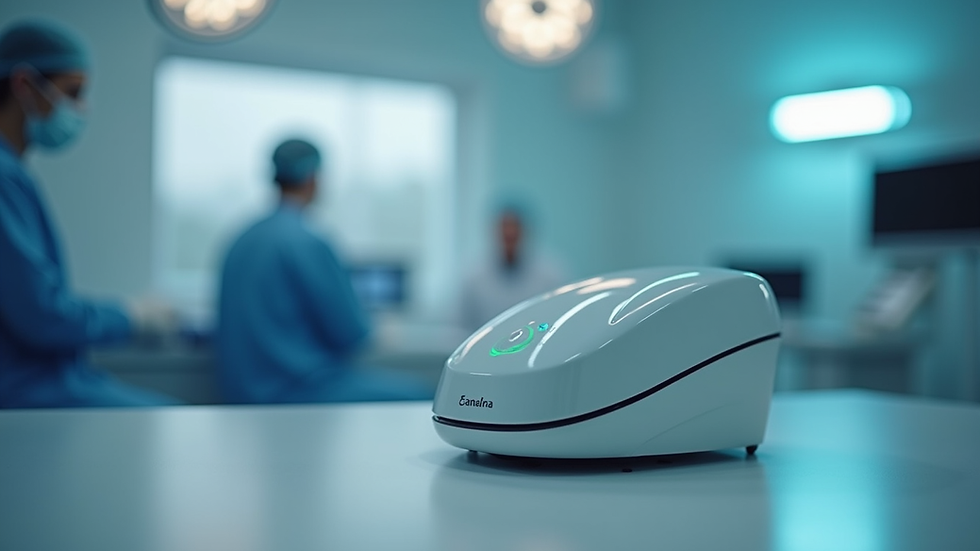
Understanding AI in Healthcare
Artificial Intelligence (AI) refers to the simulation of human intelligence in machines programmed to think and learn. In healthcare, AI can analyze vast amounts of data, recognize patterns, and make predictions. This capability is particularly useful in medical devices, which can leverage AI to provide real-time insights and support clinical decision-making.
Key Applications of AI-Powered Medical Devices
Diagnostic Tools
AI algorithms can analyze medical images, such as X-rays and MRIs, to detect anomalies that may be missed by the human eye. For instance, AI systems have shown promise in identifying early signs of diseases like cancer, leading to earlier interventions and better patient outcomes.
Wearable Health Monitors
Devices like smartwatches and fitness trackers are equipped with AI to monitor vital signs, track physical activity, and even predict potential health issues. These wearables empower patients to take charge of their health by providing continuous feedback and alerts.
Robotic Surgery
AI-powered robotic systems assist surgeons in performing complex procedures with precision. These systems can analyze patient data and suggest optimal surgical approaches, reducing the risk of complications and improving recovery times.
Telemedicine Solutions
AI enhances telemedicine platforms by enabling virtual consultations and remote monitoring. Patients can receive timely care without the need for in-person visits, which is especially beneficial in rural areas or during public health crises.
Benefits of AI-Powered Medical Devices
The integration of AI in medical devices offers numerous advantages:
Improved Accuracy and Efficiency
AI algorithms can process data faster and more accurately than humans. This leads to quicker diagnoses and treatment plans, ultimately improving patient care. For example, a study published in the journal Nature found that an AI system outperformed radiologists in detecting breast cancer in mammograms.
Enhanced Patient Engagement
Wearable devices encourage patients to take an active role in their health management. By providing real-time data and insights, patients can make informed decisions about their lifestyle and treatment options.
Cost Reduction
AI-powered devices can help reduce healthcare costs by minimizing unnecessary tests and procedures. For instance, predictive analytics can identify patients at high risk for certain conditions, allowing for early intervention and potentially avoiding costly hospitalizations.
Personalized Medicine
AI enables healthcare providers to tailor treatments to individual patients based on their unique genetic makeup and health history. This personalized approach can lead to more effective therapies and better outcomes.
Challenges in Implementing AI-Powered Medical Devices
Despite the promising benefits, the adoption of AI in healthcare is not without challenges:
Data Privacy and Security
The use of AI in medical devices raises concerns about patient data privacy. Ensuring that sensitive health information is protected from breaches is crucial for maintaining patient trust.
Regulatory Hurdles
The regulatory landscape for AI-powered medical devices is still evolving. Navigating the approval process can be complex, and manufacturers must ensure compliance with safety and efficacy standards.
Integration with Existing Systems
Integrating AI-powered devices into existing healthcare infrastructure can be challenging. Healthcare providers must ensure that these devices work seamlessly with electronic health records (EHR) and other systems to maximize their potential.
Ethical Considerations
The use of AI in healthcare raises ethical questions, particularly regarding decision-making. Ensuring that AI systems are transparent and accountable is essential to prevent biases and ensure equitable care.
Future Trends in AI-Powered Medical Devices
As technology continues to advance, several trends are emerging in the realm of AI-powered medical devices:
Increased Use of Machine Learning
Machine learning, a subset of AI, will play a significant role in developing more sophisticated medical devices. These devices will be able to learn from new data, improving their accuracy and effectiveness over time.
Expansion of Remote Monitoring
The demand for remote monitoring solutions is expected to grow, driven by the need for continuous patient care. AI will enhance these solutions by providing real-time insights and alerts to healthcare providers.
Collaboration Between Tech Companies and Healthcare Providers
Partnerships between technology companies and healthcare providers will become increasingly common. These collaborations will foster innovation and ensure that AI-powered devices meet the needs of patients and clinicians.
Focus on Patient-Centric Solutions
The future of AI in healthcare will prioritize patient-centric solutions. Devices will be designed with the patient experience in mind, ensuring ease of use and accessibility.
Conclusion
AI-powered medical devices are revolutionizing healthcare by improving accuracy, enhancing patient engagement, and reducing costs. While challenges remain, the potential benefits far outweigh the obstacles. As we move forward, it is essential for stakeholders to collaborate, ensuring that these technologies are implemented ethically and effectively. The future of healthcare is bright, and AI is leading the way.
By embracing these advancements, we can create a more efficient, effective, and patient-centered healthcare system. The journey has just begun, and the possibilities are endless.


Comments